

Introduction
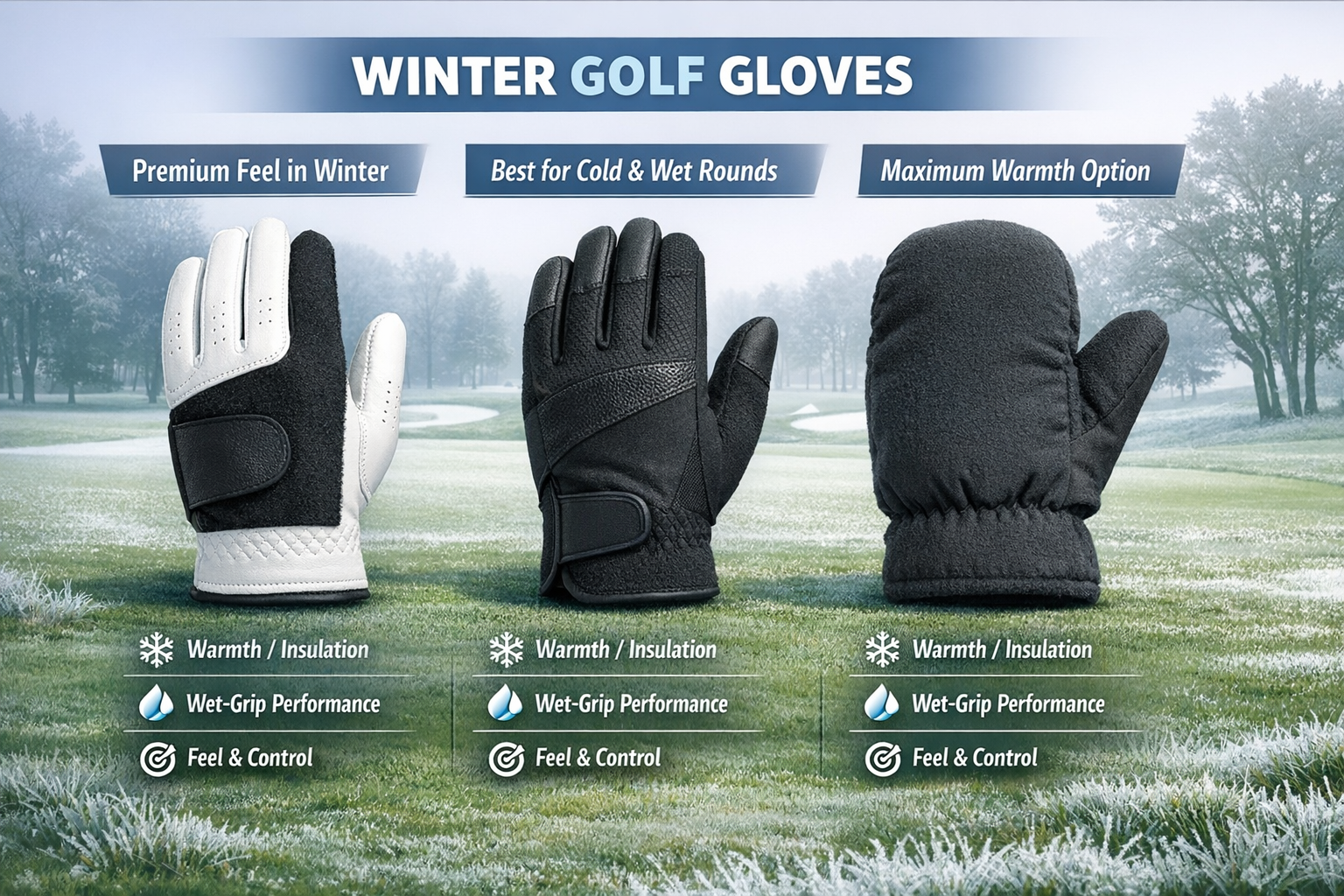
This streamlined but Comprehensive guide explains how to select winter golf gloves that preserve feel, maintain grip, and keep your hands comfortable in cold or damp conditions. Read the TL;DR first, then use the one-minute decision flow to choose the right glove.
Quick Picks
- Editor’s Pick: FootJoy WinterSof best balance of grip, warmth, and wet-weather performance.
- Best Premium Warmth: FootJoy StaSof Winter leather-like feel with a fleeced back for insulation.
- Best Tech (heat generation): Mizuno Thermagrip Breath Thermo fabric that helps generate warmth.
- Best Value: Callaway ThermalGrip solid insulation at a budget-friendly price.
- Best Mitt Alternative: Abacus Winter Mitts, maximum warmth when the feel is less important.
If you want raw test numbers, download the CSV in the sidebar or see the data table below.
Why winter golf gloves matter
When temperatures fall, so does hand dexterity. Cold fingers clench, sensitivity drops, and your swing mechanics change. A good winter glove traps heat close to the skin while still allowing enough tactile feedback so you can feel the club and make consistent swings.
Primary goals for a winter glove:
- Insulates preserve body heat near the skin.
- Resist moisture, shed or tolerate early-morning dew, light rain, and sweat without losing grip.
- Keep feeling and retain enough tactile feedback so club control doesn’t degrade.
If you play dawn tee times or in cool, drizzly climates, investing in a winter glove is one of the most effective, low-cost ways to improve comfort and performance.
How we test gloves
We use transparent, repeatable tests so buyers can trust our rankings. Publish this method on your product page to increase credibility:
- Lab thermal test (still air) thermistor placed on the back of the hand; measure baseline skin temperature, then record temperatures at 10, 20, and 40 minutes while the hand is exposed to 0°C ambient conditions. Report °C retained and an insulation score.
- Water resistance is a 30-minute light spray followed by a 5-minute absorbency check on the palm. Score 0–10 for wet uptake.
- Wet-grip test: Perform 10 swings with a consistently sprayed club handle. Use a dynamometer to record grip force and collect subjective control ratings.
- Durability 2,000 flex cycles plus a palm abrasion index.
- On-course field test: multiple testers play 9-hole cold-weather rounds and log dexterity, fit, and shot feel.
Publishing the raw numbers in collapsible tables (CSV download) strengthens trust and attracts backlinks from reviewers.
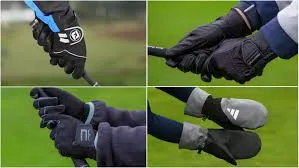
Quick comparison of top picks at a glance
| Rank | Model | Warmth (field) | Wet-grip score | Material | Typical Price | Best for |
| 1 | FootJoy WinterSof | High | 8/10 | Autosuede palm, fleece back | $25–$35 | All-round winter & wet |
| 2 | FootJoy StaSof Winter | Very High | 8/10 | Cabretta leather + fleece | $45–$60 | Premium warmth & feel |
| 3 | Mizuno Thermagrip | High | 7/10 | Synthetic w/ Breath Thermo | $25–$40 | Heat-generating tech |
| 4 | Callaway ThermalGrip | Medium-High | 7/10 | Microfibre + fleece | $20–$30 | Best value |
| 5 | Abacus Mitts | Very High | 6/10 | Suede/fleece mitt | $20–$40 | Maximum warmth |
Tip: Link each row to expandable test-data rows for full transparency.
What is a winter golf glove, and how is it different?
A winter glove is engineered to Prioritize Insulation and wet-weather performance while minimizing added bulk. Compared to a standard glove, winter models usually:
- Use thicker or layered backs (fleece, foam, bonded membranes) for thermal retention.
- Use autosuede or treated leather palms that tolerate moisture better than raw leather.
- Add longer cuffs, windproof membranes, or sealing features to reduce heat loss.
The art is balancing warmth and feel; too much padding kills feedback; too little, and your hands get numb. The best designs add warmth where it matters (backs of fingers, knuckles) while keeping the palm thin and tactile.
Materials explained and what to trust
Cabretta leather
- Why it matters: Premium tactile feedback; unmatched feel on the club.
- Trade-off: Naturally less water-friendly unless treated.
- Who should buy it: Players who prioritize touch and shot feel.
Autosuede / synthetic suede
- Why it matters: Durable, grippy, and more forgiving in damp conditions.
- Trade-off: Not as leather-like in feel but quicker to dry and less expensive.
- Who should buy it: Players who frequently play in dewy or rainy conditions.
Fleece / bonded thermal backs
- Why it matters: Real insulation looks for windproof or WeatherShield layers.
- Trade-off: Can add bulk if not thoughtfully placed.
- Who should buy it: Players in consistently cold climates who need genuine insulation.
Performance synthetics
- Why it matters: Modern fabrics can trap heat or generate warmth with minimal thickness.
- Trade-off: Not every golfer likes the synthetic feel; real-world effectiveness varies.
- Who should buy it: Players wanting heat without heavy padding.
Mitts
- Why it matters: Fingers together keep heat more effectively.
- Trade-off: Reduced dexterity and shot feel.
- Who should buy it: Players in extreme cold or those with circulation issues.
When to use gloves vs mitts vs liners
- Mitts: Reserve for very low temperatures (below roughly -5°C / 23°F) or poor circulation.
- Glove + liner: A thin thermal liner under a mitten or glove adds warmth without major loss of feel.
- Two gloves (pair): Wear insulated gloves on both hands when you need both sides warm and want symmetry in feel.
Fit & sizing
How to measure:
- Wrap a soft tape measure around the widest part of your palm (do not include the thumb).
- Record the circumference in inches or cm.
- Measure palm length from the base to the tip of the middle finger.
Example printable chart:
| Palm circumference (in) | Palm circumference (cm) | Size |
| 7.0 | 17.8 | S |
| 7.5 | 19.1 | M |
| 8.0 | 20.3 | L |
| 8.5 | 21.6 | XL |
Cadet vs Regular cut: Cadet = shorter fingers, wider palm, good for broader hands. Some synthetic gloves run small; size up if you plan to use liners.
Brand tip: FootJoy offers cadet and regular options; check brand sizing charts before buying.

Quick decision flow, pick a glove in under 60 seconds
How cold is it?
- Above 0°C (32°F): thin insulated glove.
- 0°C to -5°C (32°F to 23°F): fleece-backed gloves (WinterSof / StaSof).
- Below 5°C: mitts or heated gloves + liners.
How wet is it?
- Dry cold: Cabretta leather if feel matters.
- Damp/wet: Autosuede or treated synthetics for reliable wet-grip.
Do you need precision?
- Yes: glove.
- No: mitt.
Budget?
- <$30: value gloves (Callaway, Mizuno).
- $30–$60: mid-range (FootJoy WinterSof).
- $60+: premium (StaSof Winter).
Deep dives on the top models
FootJoy WinterSof Editor’s pick
What it is: Autosuede palm with Weather Shield foam fleece back. Why it stands out: Great wet performance without excessive bulk; long cuff keeps wind out. Use case: Cold, damp rounds where grip is priority. Pros: Excellent wet-grip; comfortable cuff; strong value. Cons: Not a true leather feel.
FootJoy StaSof Winter Premium warmth & feel
What it is: StaSof leather (or treated Cabretta) with a thermal fleece backing. Why it stands out: Near-leather feel with genuine warmth. Use case: Players who want a leather-like touch in cold conditions. Pros: Premium feel; warm, durable. Cons: Pricier than entry-level options.
Mizuno Thermagrip Tech-forward warmer
What it is: Synthetics with Breath Thermo fabric that reacts to moisture/heat. Why it stands out: Heat generation without heavy insulation. Use case: Players who want minimal bulk and still want thermal support. Pros: Slim profile; light warmth. Cons: Not everyone likes the synthetic feel.
Callaway ThermalGrip Best value
What it is: Microfibre palm, fleece lining, water-repellent shell. Why it stands out: Solid warmth and grip on a budget. Use case: Casual players and backups. Pros: Affordable; decent warmth. Cons: May wear faster than premium leathers.
Abacus Mitts: Maximum warmth
What it is: Mitt design with thick fleece interior. Why it stands out: Maximum insulation for freezing mornings. Use case: Frosty starts or players with circulation issues. Pros: Extremely warm; easy on/off. Cons: Sacrifices feel and precision.
Pros & Cons of winter golf gloves
Pros
- Keep your hands warm and preserve feeling.
- Improve grip in cold, damp conditions.
- Let you play comfortably and more consistently.
Cons
- Some models reduce tactile feedback.
- Heavy insulation can feel bulky.
- Leather requires careful maintenance.
Maintenance & care
Leather gloves (Cabretta / StaSof):
- Spot-clean with a damp cloth; avoid machine washing.
- Air dries away from direct heat.
- Use a small amount of leather conditioner once per season.
Synthetic gloves (autosuede, microfibre):
- Hand wash gently with mild soap.
- Rinse well and air dry flat.
Mitts:
- Follow the care label; most are hand-washable.
Field tip: Bring two pairs, one for play and a dry spare to switch midway through a damp round.
On-course tips
- Use thin thermal liners under gloves to add warmth without too much bulk.
- Keep chemical hand-warmers in your pockets and tuck them between shots to maintain core warmth.
- If you sweat a lot, switch to an autosuede palm; it performs far better when damp than untreated leather.
Common mistakes when buying winter golf gloves
- Buying a bigger size to feel warmer, loose gloves reduce control; use liners instead.
- Ignoring wet Performance if you play in damp climates, wet-grip matters more than a leather label.
- Skipping the size chart, measure your palm, don’t guess.
Gloves vs heated gloves
| Feature | Winter Gloves | Heated Gloves |
| Warmth | Passive insulation | Active heating (battery) |
| Weight | Light–medium | Heavier (battery) |
| Feel | Good (thin models) | May be bulkier |
| Cost | $20–$60 | $80–$200 |
| Maintenance | Easy | Batteries & electronics care |
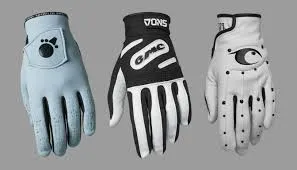
Verdict: Heated gloves suit extremes or circulation problems. For most players, a quality winter glove and liner gives the best value.
Price tiers & buying suggestions
- Budget (< $30): Callaway ThermalGrip; entry-level Mizuno great for casual play and spares.
- Mid-range ($30–$60): FootJoy WinterSof, Mizuno Thermagrip offer the best balance of warmth, grip, and price.
- Premium ($60+): StaSof Winter and top Cabretta options for players who value feel and longevity.
FAQs
A: Winter golf gloves are specially designed gloves that provide extra insulation, wind protection, and wet-grip performance to keep your hands warm and functional in cold weather.
A: Yes. Cold hands reduce feel and control. Winter golf gloves help maintain grip, comfort, and swing consistency during cold or damp rounds.
A: In winter, many golfers wear two gloves to keep both hands warm. Others prefer one glove with a thin thermal liner to preserve feel.
A: Most winter golf gloves are water-resistant, not fully waterproof. Synthetic or autosuede palms perform best in wet and cold conditions.
A: Slightly. Thicker insulation can reduce feedback, but modern designs balance warmth and feel by keeping palms thin and backs insulated.
Final short verdict
Winter golf gloves are an inexpensive way to keep playing comfortably and maintain consistent ball-striking in cold weather. For most Players, a thoughtfully designed mid-range glove (e.g., FootJoy WinterSof or Mizuno Thermagrip) offers the best balance of warmth and feel. If leather feel is essential, opt for StaSof Winter; if conditions are extreme, use mitts or heated gloves.