

Introduction About Water Sports
Water sports convert ordinary trips and weekends into catchy experiences and effective workouts. This guide is written so that a curious reader becomes an assertive beginner or an informed buyer. You’ll get a clear classification of Water Sports, a fast difficulty & cost reference, practical 30–60 day learning plans for the most popular activities, buy-versus-rent gear advice, safety and certification essentials, environmental and legal contemplation, and a curated list of the best global hotspots by activity.
Read on, the structure is step-by-step and optimized to help you pick the right sport, learn faster, and make fashionable booking and buying decisions.
What are water sports?
Definition: Water sports are recreational or competitive activities performed in, on, or under bodies of water, where the medium (water) forms the primary environment for movement, challenge, or aerial surfing.
Simple taxonomy (how you move + where):
- Surface/standing sports: Stand-up airboarding (SUP), surfing, sailboarding. These prioritize balance and board control.
- Paddlesports (human-powered): Kayaking, canoeing, dragon boating, seated or kneeling propulsion with paddles.
- Underwater sports: Scuba diving, freediving, snorkeling, breath-hold, and underwater navigation skills.
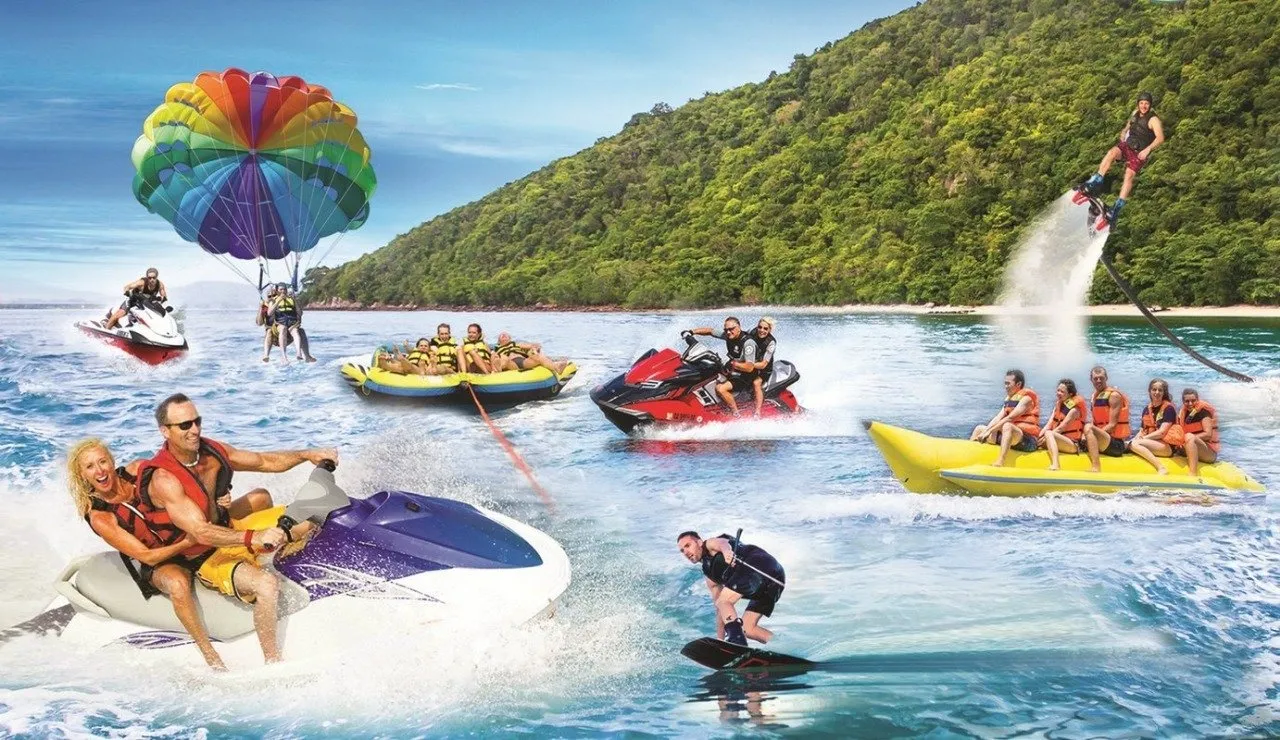
- Powered sports: Jet-skiing, motorboat-towed sports (e.g., wakeboarding, water-skiing), speed, and mechanical propulsion.
- Wind/wave-powered: Windsurfing, kitesurfing, sailing harnessing wind or wave energy.
- White-water/adventure: Rafting, canyoning, energetic river environments, and technical risk management.
- Team & competitive: Water polo, rowing, organized team strategy, and conditioning.
This guide focuses on popular, searchable activities that beginners can moderately start safely and that often lead to buying gear or booking lessons.
Quick reference: Top 20 water sports
Below is a compact, scannable list. Difficulty ranks 1 (easiest) to 5 (most advanced). Price bands are broad, and local rates vary.
| Sport | One-line description | Difficulty (1–5) | Essential gear | Typical beginner rent/lesson (per day) |
| Stand-Up Paddleboarding (SUP) | Stand and paddle on a board | 1 | Inflatable board, paddle, leash, PFD | $15–60 |
| Kayaking (flatwater) | Sit in a kayak and paddle | 1–2 | Kayak, paddle, PFD | $10–50 |
| Snorkeling | Surface & shallow underwater viewing | 1 | Mask, snorkel, fins | $5–20 |
| Surfing | Riding ocean waves | 3–5 | Surfboard, leash, wetsuit | $10–40 |
| Scuba diving | Deep underwater exploration | 4–5 | Dive gear, certification | $50–150+ |
| Windsurfing | Sail on a board | 3 | Board + sail rig, harness | $20–80 |
| Kitesurfing | Kite-propelled board riding | 4–5 | Kite, board, harness, lessons | $50–150 |
| Wakeboarding | Towed a board behind the boat | 3 | Wakeboard, life jacket | $30–120 |
| Water-skiing | Towed skiing on the surface | 3 | Skis, life jacket | $30–100 |
| Rafting (class I–V) | River rapids in an inflatable raft | 2–5 | Helmet, PFD, guide | $40–200 |
| Sailing | Wind-powered boat handling | 2–4 | Sailboat (rent), life jackets | $50–200 |
| Jet skiing | Motorized personal watercraft | 2–4 | Jet ski, safety briefing | $50–200 |
| Freediving | Breath-hold diving | 4 | Mask, fins, training partner | $0–80 (course) |
| Rowing | Shell rowing (fitness/competitive) | 2 | Shell, oars, club access | $10–40 |
| Canoeing | Paddle in a wider craft | 1–2 | Canoe, paddle, PFD | $10–50 |
| Flyboarding | Water-propelled flight device | 5 | Flyboard, instructor | $80–200 |
| eFoil (electric foil) | Electrified hydrofoil board | 4–5 | eFoil, helmet, instructor | $80–250 |
| Canyoning | Waterway descent & jumps | 4 | Helmet, wetsuit, guide | $60–200 |
| Water polo | Team pool sport | 3 | Pool access, ball, caps | $0–30 |
| Surf kayaking | Kayak surfing in waves | 4 | Surf kayak, PFD | $20–100 |
Note: Always rent first to test the sport and gear. Local conditions and operator quality change costs widely.
How to choose the right water sport for you
Decide using four simple filters:
1. Fitness & mobility
- Low-impact: SUP, snorkeling, canoeing.
- Cardio-heavy: Rowing, swimming, sculling.
- Balance & strength: Surfing, kitesurfing, surfboarding.
2. Budget & time
- Quick wins (low cost): SUP, kayak, snorkeling, rent per session, and minimal learning curve.
- Investment sports: Scuba, sailing, kitesurfing, higher up-front cost in lessons and gear; longer progression.
3. Risk tolerance
- Low risk: Calm flatwater kayaking, supervised snorkel.
- High adrenaline: Big-wave surfing, class IV–V rafting, high-speed eFoils.
4. Access & location (water sports)
- Coastal & surf: Surfing, sailing, kitesurfing.
- Lakes & rivers: SUP, canoeing, flatwater kayaking.
- Tropical reefs: Snorkeling, scuba.
Actionable test: Ask yourself do you prefer standing & balance (surf/SUP), sitting & paddling (kayak/canoe), or exploring beneath the surface (snorkel/scuba)? That single question often narrows emotional options.
Beginner-friendly sports + 30–60 day learning plans
Below are practical, weekly plans realistic, repeatable, and focused on safety.
Stand-Up Paddleboarding (SUP) 30-day plan
Days 1–3: Understand board parts, how to carry and launch, curtsy paddles, and basic shore balance.
Days 4–10: Practice standing up in calm, waist-to-chest-deep water. Learn forward stroke, sweep turns, and basic bracing. Keep sessions to 20–30 minutes.
Weeks 2–3: Increase to 30–45 minute paddles. Practice re-entry (falling off and getting on) and self-rescue. Try short flatwater loops.
Week 4: Short coastal paddles, basic navigation, and orientation. Learn local right-of-way rules.
Safety tip: Wear a leash in open water; use a PFD if required by local law.
Flatwater Kayaking 30-day plan
Day 1: Boat entry/exit, correct sitting posture, forward stroke, and safe capsize drills.
Week 1: 60–90 minute paddles focusing on stroke effectiveness and forward momentum.
Weeks 2–4: Practice sweep strokes, stern rudder, and partner rescues. Start basic navigation and reading wind/current.
Safety tip: Learn right-of-way with other containers; stay visible.
Surfing 60-day plan of water sports
Weeks 1–2: Pop-up practice on sand and catch whitewater near the shore. Build paddling stamina and timing.
Weeks 3–4: Paddle out to the shoulder on small waves; learn trim, angle, and safe wiping-out techniques.
Weeks 5–8: Work on turning mechanics (cutback, bottom/top turns) and reading sets. Surf in gradually larger waves within comfort.
Safety tip: Learn rip current escapes, local etiquette, and surf zone signals.
Snorkeling weekend starts
Day 1: Fit mask and snorkel; practice breathing face-down in shallow water; mask clearing and snorkel use.
Day 2: Guided shallow snorkel; emphasize buddy system and reef protocol.
Safety tip: Use flotation devices if unsure, and stay aware of boat traffic.
Scuba Diving certification pathway
Start with an entry-level course (e.g., Open Water Diver). Courses include theory, confined-water skills, and open-water dives. The instrument allows safe, guided dives and is required by many dive operators. Progress to Advanced Open Water and specialty courses (nitrox, deep, wreck) as you gain experience.

Essential gear & buying guide (by sport)
Rule of thumb: Rent first. Buy after ~10 sessions or once you know your preferences.
Stand-Up Paddleboard (SUP)
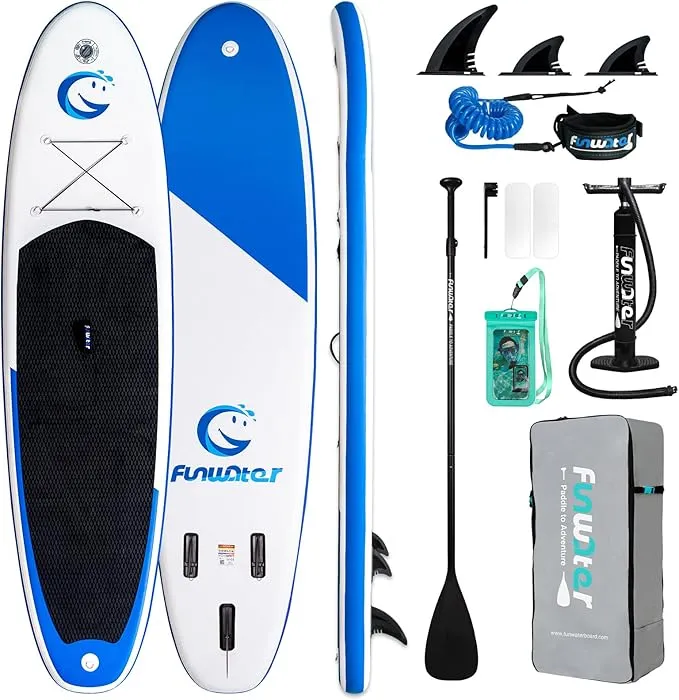
- Starter: Inflatable SUP (350–400L), adjustable gutbucket paddle, leash, and comfortable PFD.
- Buy tip: Inflatable boards are durable, easier to store, and great for novices.
Kayak
- Starter: Sit-on-top humorous kayak for lakes and calm coasts. Paddle and fitted PFD.
- Buy tip: Choose a touring kayak for sea paddling with storage hatches; look for hull stability and length matched to weight.
Snorkel & mask
- Buy: Low-volume mask (easier clearing), dry-top snorkel, and flexible fins. Mask fit is the king test before buying.
Surf
- Starter: Soft-top foam longboard (8′ or longer), ankle leash, and wetsuit if the water is cool.
- Buy tip: Start with larger, forgiving boards; shrink size only after understanding pop-up and trim.
Scuba
- Starter: Rent full sets during certification. Later, consider purchasing a personal mask, snorkel, boots, and possibly a dive computer. Complete BC/regulator purchases only after deciding to dive frequently.
- Buy tip: Invest in the instrument first; safety knowledge is more valuable than early equipment purchases.
Kitesurfing & Windsurfing
Always train with qualified instructors. These sports are technical and can be dangerous if self-taught. Buy gear only after structured lessons that reveal your preferred style and size.
Universal safety kit (all sports)
- Appropriately fitted PFD or life jacket.
- Reef-safe (mineral) sunscreen and sun-protective clothing.
- Whistle, weatherproof phone pouch, and a compact waterproof first-aid kit.
Comparison table: top gear picks to consider in 2025
Below is an editorial-style comparison table you can adapt to affiliate picks and price ranges.
| Product | Type | Key features | Price band |
| PaddlePro Inflatable 11’6″ | SUP board | Drop-stitch, 350L, pump + bag | $400–650 |
| SeaGlide Recreational | Kayak | Polyethylene hull, sit-on-top | $300–700 |
| ClearView Mask Pro | Snorkel set | Low internal volume, dry-top snorkel | $40–80 |
| FoamStarter Surfboard 8′ | Soft-top surfboard | Wide nose, foam deck | $200–450 |
| OceanBreath Dive Kit | Scuba kit | Mask + fins + basic computer | $250–900 |
| KiteLearn Trainer Kite | Trainer kite | 4-line trainer for lessons | $150–400 |
How to use: Add interactive filters (budget, beginner/advanced), photoreal images, and links to full reviews for each pick to improve on-page engagement and monetization.
Safety, training & certifications
Safety reduces risk more than luck. Training and local knowledge are the best speculation.
Universal safety rules for water sports
- Wear appropriate PPE: PFDs, helmets where needed (white-water, eFoil speeds).
- Check the weather and tidal forecasts before every session. Local marine agencies and weather services provide reliable alerts.
Never go solo for high-risk sports; use the buddy system. - Carry a means of transmission: waterproof phone pouch, VHF radio for offshore sailing.
- Learn self-rescue and basic rescue techniques for your sport.
Activity-specific certifications
- Scuba: Complete entry-level certification (e.g., PADI Open Water or an equivalent). Certification trains you on relaxation limits, buoyancy, equipment, and emergency procedures.
- Sailing: Consider RYA or ASA basic courses to learn seamanship and navigation.
- White-water rafting/kayaking: Swiftwater rescue training is advisable for advancing into higher classes.
- Kitesurfing / Windsurfing: Always learn from certified instructors; avoid self-teaching.
Insurance & legal
- Review your travel or personal insurance; many policies exclude adventure sports unless you hold an instrument or a paid rider. Check pre-trip.
- Learn local age limits and licensing requirements for powered craft and jet-skis; rules vary country-by-country.
Environmental & legal considerations
Appreciating ecosystems and local laws keeps water spaces open and healthy.
Coral & reef safety
Many chemical sunscreens (some with oxybenzone, octinoxate) have been shown to harm coral. Prefer mineral, non-nano zinc oxide or titanium dioxide sunscreens and long-sleeve UV swimsuits. Avoid touching or standing on coral.
Marine Protected Areas (MPAs)
Check local MPAs’ activities, like anchoring, collecting shells, or fishing, may be restricted seasonally or permanently.
Wildlife
Do not chase, touch, or feed marine wildlife (turtles, dolphins, seals). Keep a respectful distance and use a low-noise perspective.
Local regulations
Rules for jet skis, tow sports, and powered vessels differ widely. Some locations require safety briefings, boat licenses, or have age minimums. Consult local maritime authorities or operators.
Best places & travel hotspots by activity (regional buckets)
Below are classic hotspots that attract learners and pros. Use them for creativity and link to local operator pages for bookings.
Surfing
- Beginner-friendly: Kuta (Bali), Newquay (UK), Taghazout (Morocco), Algarve (Portugal).
- Advanced: Uluwatu (Bali), Hossegor (France), Jeffreys Bay (South Africa).
Snorkeling & Scuba
- Tropical reefs: Maldives, Red Sea (Egypt), Belize Barrier Reef, Great Barrier Reef (Australia).
- Europe: Malta and, Azores are good for twilight and spring diving.
SUP & Kayak (calmer water)
- Lakes / scenic: Lake Bled (Slovenia), Dalmatian Coast (Croatia), Lochs of Scotland.
- Urban / guided: Amsterdam canals, Lisbon river tours.
Kitesurfing & Windsurfing
- Consistent winds: Tarifa (Spain), Cabarete (Dominican Republic), Cape Town (South Africa), Fuerteventura (Canary Islands).
White-water & Rafting
- Europe: Soca River (Slovenia), Tara River (Montenegro).
- World-class: Futaleufú (Chile), Zambezi (Victoria Falls), Colorado River (USA).
SEO & productization tip: Create region-specific landing pages with local operator reviews and “where to try” modules to capture “near me” and objective-intent searches.
Common beginner mistakes (and how to avoid them)
- Skipping lessons to save money. Lessons accelerate safe learning and reduce injury and equipment damage risk.
- Buying gear too early. Rent multiple types and sizes before committing to a purchase.
- Ignoring local rules & tides. Always verify local consulting or ask operators.
- Bad fit gear: Mask squeeze, loose PFDs, wrong paddle length, fit matters more than brand.
- Overestimating conditions: Calm-looking water can hide currents. Check forecasts and local reports.
FAQs
A: SUP, flatwater kayaking, and guided snorkeling in calm bays are among the safest. These have low technical demands and easy self-rescue.
A: Rules vary by country. Many places require a boating safety certificate or a minimum age. Check local maritime authority rules before renting.
A: A single lesson usually costs $20–60, depending on location and whether it’s group or private.
A: No, not when you’re certified and follow training, buddy rules, and depth limits. Certification classes teach safe diving.
A: Use reef-safe sunscreen, avoid touching coral, float calmly, and keep fins and cameras clear of the reef.
Conclusion
Water sports offer fitness, recreation, and Lasting Travel Memories. Start with an enterprise that matches your fitness and palate for risk. Try before you buy: rent gear, book lessons, and only commit once you’ve registered for several discussions.