
Introduction
Think of selecting Sports Shoes For Women and designing a model: you want the right architectural design for your task, well-engineered inputs, and reliable inference. Shoes are the hardware that runs your body’s model; fit is the hyperparameter tuning that prevents overfitting (blisters) and underfitting (instability). The wrong pair amplifies noise (such as pain or inefficiency); the right one optimizes force, strength, and coordination.
This guide from AhsanSportsGear.com reframes footwear selection with simple, actionable checks and an NLP-style decision pipeline: define the task (running, gym, cross-training, walking, trail), extract features (fit, heel-to-toe drop, cushioning, toe room), run fit tests (in-store or during a trial), and authorize with a short wear test and return policy.
Why this guide matters
This page aims to achieve three objectives: reducing decision noise, enhancing conversion-friendly clarity, and enhancing long-term outcomes for the reader. It’s for:
- New runners who need one safe, dependable first trainer.
- Regular runners seeking a durable daily trainer.
- Gym-goers and lifters who need a stable platform.
- People with wide feet, bunions, or plantar bursitis need a better fit and features.
If you localize for a market (UK, Pakistan), replace price bands with local currency and add retailer links and stock notes to grow conversions.
Quick shopping checklist: Buy with confidence
Primary activity: choose the shoe family first (running, cross-training, lifting, walking, trail).
- Fit test: heel locked + about 1 thumb width (~1 cm) of space at toes. No pinching.
- Support: neutral vs stability pick according to gait analysis or symptoms.
- Cushioning: low (race), medium (daily), high (long runs/walking).
- Socks: test shoes with the socks you’ll actually train in.
- Trial & returns: prefer retailers offering 30+ day trials or easy returns.
- If you have pain, consult a podiatrist for orthotics and clinical guidance.
How sports shoes differ, pick by activity
In NLP, we pick model classes for tasks: classification for labels, sequence models for time series. Similarly, select shoe families by the primary biomechanical task:
Running shoes sequence-optimized models
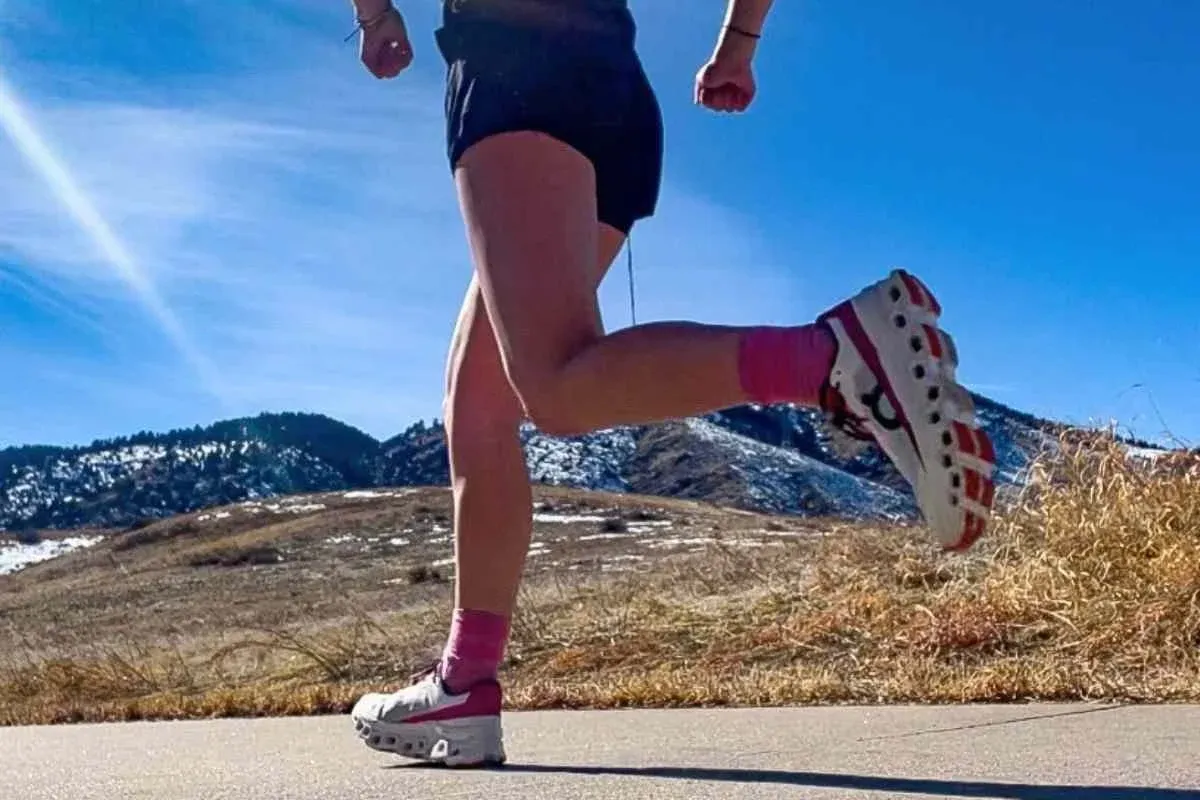
Forward linear motion, repetitive impact, and energy return are the priorities. Think of stack height as the latent dimension and heel-to-toe drop as the temporal bias. Key features: cushioning foam (midsole), shock absorption, energy return (springiness), and breathability. Runners look at stack height (mm), drop (mm), and foam type (PEBAX, EVA variants, proprietary blends).
Cross-trainers & court shoes multi-task models
These must handle lateral moves, quick direction changes, and occasional jumps. Their architecture prioritizes firmer midsoles and reinforced sidewalls to resist torsion. They’re the ensemble models, not specialized for forward-only motion, but robust across directions.
Gym/weightlifting shoes convex optimizer with flat gradient
Flat, firm soles with minimal compression stabilize heavy loads. Low stack height and rigid midsoles give a consistent base for squat and deadliftthink of them as small, deterministic models with low variance.
Walking shoes long-horizon, low-latency models
Flexible forefoot for toe-off, durable outsoles, and gentle cushioning for steady, frequent steps. Prioritizes comfort for long horizons over energy return.
Trail shoes are rugged, adversarially robust models
Aggressive lugs for grip, tougher uppers, and rock plates for underfoot protection. Built for noisy, adversarial inputs (mud, rock, roots).
Note: Many content hubs emphasize running shoes. Covering gym, walking, and trail fills a gap and clarifies for real shoppers.
Top Picks Best Sports Shoes For Women (2025)
Below are curated example picks. Replace the model names and price bands with live SKUs and affiliate links when publishing. Include local availability notes and tests.
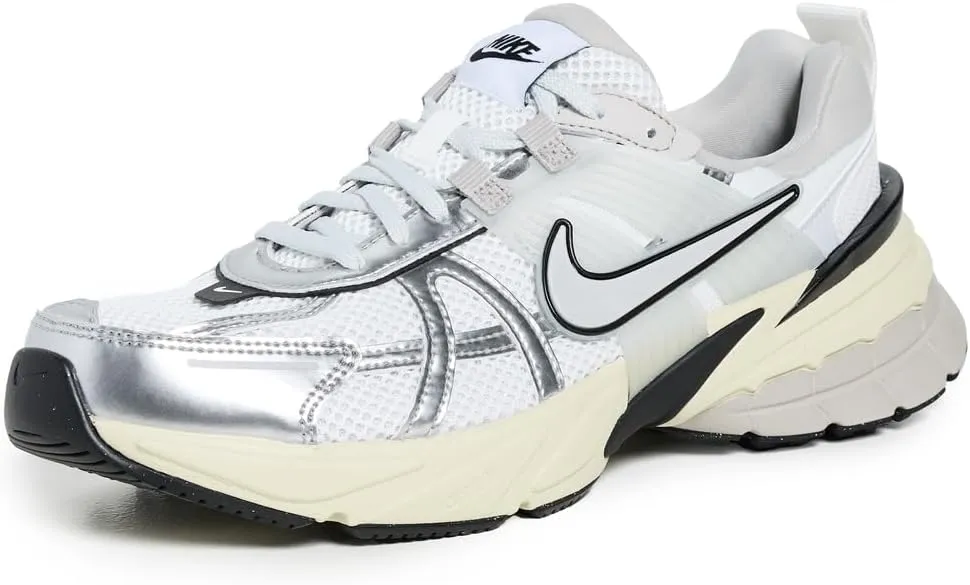
Best Overall Daily Trainer
Model: Best for daily runs, walking, and mixed workouts.
Features: Responsive midsole foam, breathable knit upper, moderate 8–10 mm drop.
Price band: $110–$160
Who it’s for: Runners who want a single versatile trainer for most days.
Pro: Balanced cushioning & responsiveness. Con: Not the lightest for race day.
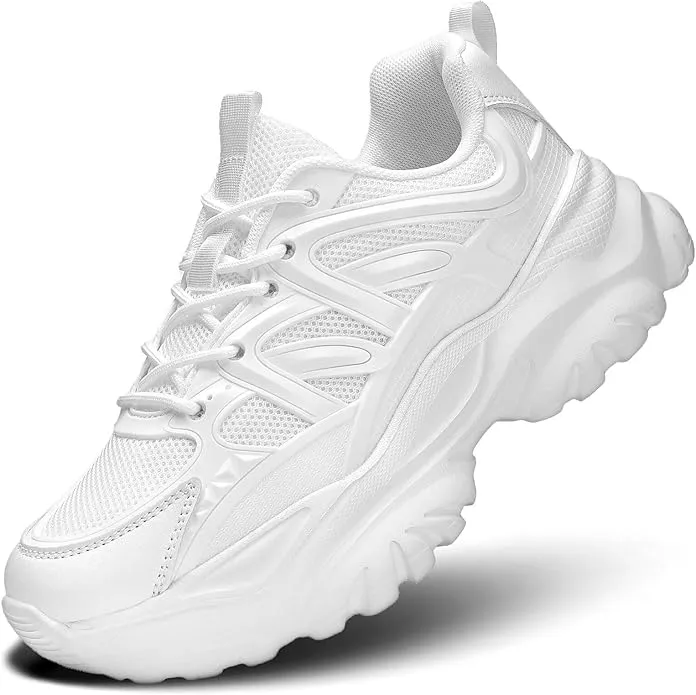
Best Budget Great value under $70
Model: Lightweight, cushioned midsole for casual gym & walking.
Price band: $40–$70
Who it’s for: Casual walkers and beginners.
Pro: Strong price-to-comfort. Con: Less durable long-term.
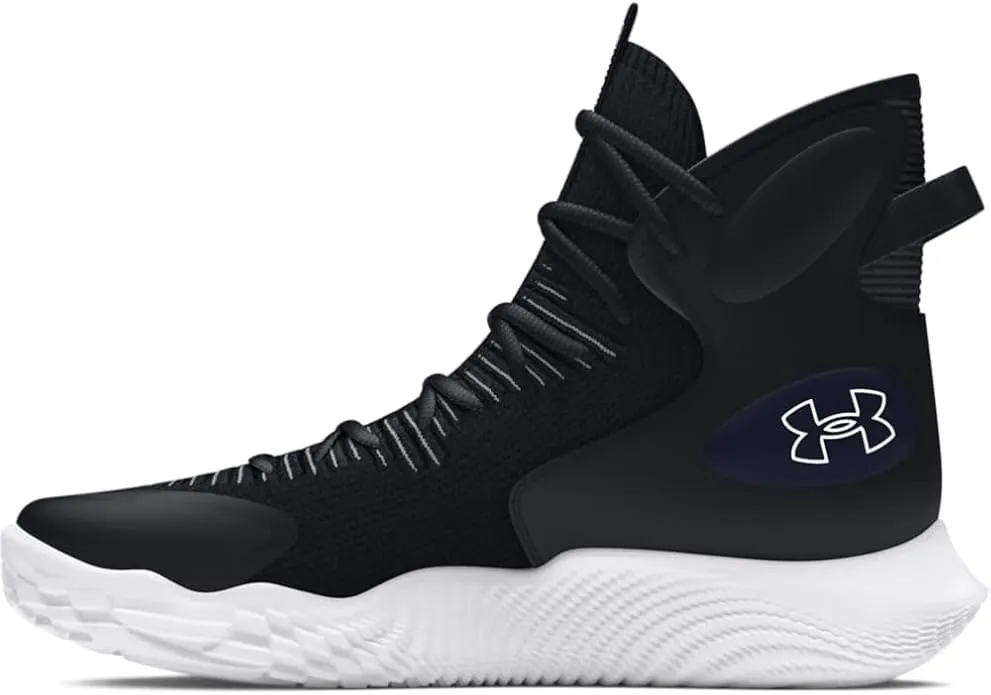
Best for Wide Feet
Model: Wide toe box, removable insole.
Price band: $90–$140
Who it’s for: Women with wide feet or bunions.
Pro: Roomy toe box. Con: Fewer colorways.
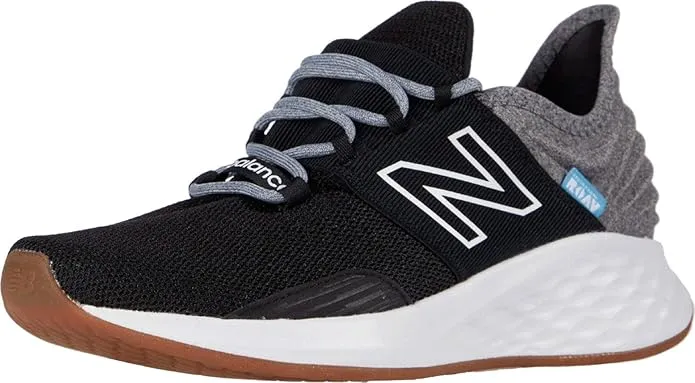
Best for Plantar Fasciitis
Model: Firm heel cup, arch support.
Price band: $100–$160
Who it’s for: People with plantar fasciitis needing support.
Pro: Reduces heel pain for many. Con: Slightly stiffer ride.
Best Cross-Trainer
Model: Flat platform, lateral stability.
Price band: $80–$130
Who it’s for: CrossFit, HIIT, gym classes.
Pro: Stable for lifts and lateral moves. Con: Less cushioned for long runs.
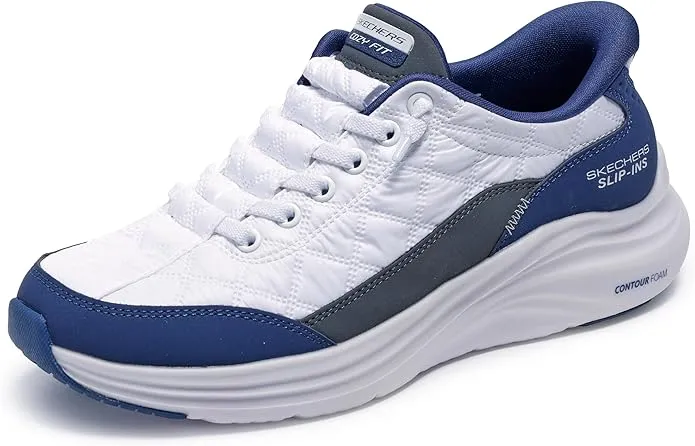
Key features & what they mean for you (feature extraction)
Understanding a few technical terms helps when interpreting product descriptions. Treat this as feature extraction for your footwear classifier.
Midsole foam (cushioning & responsiveness)
- Soft foams absorb impact, great for long runs and high-mileage comfort.
- Responsive foams (PEBAX, TPU blends, proprietary foams) return energy and feel snappy for tempo or interval sessions.
- Look for manufacturing claims, but validate by wearing and reading wear-test data.
Heel-to-toe drop
- Low drop (0–6 mm): encourages mid/forefoot strike; more calf/achilles engagement.
- Medium drop (8–10 mm): the generalist choice for many runners.
- High drop: extra heel cushioning; useful for heel strikers or heavy trainers.
Upper materials
- Knit/engineered mesh = comfort and breathability.
- TPU or welded overlays = structure and durability.
- Removable insole = orthotic-friendly.
Outsole & tread
- Road shoes: smoother rubber, durable for pavement.
- Trail shoes: deep lugs and sticky rubber for grip on loose terrain.
Stability tech
- Medial posts, TPU wings, or supportive foams help control overpronation.
How to choose the right sports shoes step-by-step
Define your primary activity. If you run, pick running shoes. If you lift heavy, pick lifting shoes. Cross-training requires lateral stability.
Measure feet at the end of the day and note both feet’ length (in cm). Use your longer foot for sizing.
- Check brand size charts; sizes vary. Convert using the provided size table.
- Try shoes with the socks you’ll train in.
- Do fit tests: walk, jog on the spot, perform lateral moves, check for heel slip.
- Check return policy and trial period. Prefer 30-day trials or easy returns.
- If pain or persistent issues exist, consult a podiatrist before relying solely on product reviews.
Fit, sizing & the perfect trial
Fit is the most important signal your footwear model gets. A great shoe with a bad fit is like a powerful model with a bad dataset; it fails in production.
Measure both feet
Feet often differ by half a size. Measure both in centimeters and use the longer one for sizing. Record the centimeter measurement in your product table for future reference.
Try at the end of the day
Feet expand during the day. Shopping at your peak foot size avoids buying tight shoes.
Socks matter
Use the socks you actually wear for training. A thick winter sock can change the required size.
Thumb gap rule
Stand naturally in the shoe. There should be about 1 thumb-width (~1 cm) between your longest toe and the shoe tip. This prevents repeated toe-banging during long runs.
Heel-lock trick
Use a runner’s loop (lace lock) to secure your heel without over-tightening the midfoot. This reduces slippage and prevents friction that causes blisters.
How to test in-store
- Walk 10–20 steps and listen for creaks or rubbing.
- Jog on the spot or a short indoor strip.
- Do light lateral shuffles to check side support.
- Check for pressure near bunions or the top of the foot.
- Try a half-size up and down if anything feels tight.
Break-in expectations
Many modern trainers are comfortable immediately. Racing flats and some fight-for-performance shoes may feel stiff at first and need mileage to soften. For daily trainers, comfort out of the box is a positive sign.
Foot shapes & conditions, practical fixes & product features
Use this as a decision tree: identify symptoms, map to product features, test pairs, and consider orthotics.
Wide feet & bunions
- Look for labeled wide options or brands known for roomy toe boxes (Altra-like last, some New Balance, etc.).
- Removable insoles allow custom orthotics.
- If tight in the toe, try a half-size up or a model with a wider last.
Plantar fasciitis
- Symptoms: sharp heel pain on first steps in the morning.
- Helpful features: firm heel cup, credible arch support (built-in or via orthotics), shock-absorbing midsole with stable base.
- If pain is significant, see a podiatrist. Conservative care plus a supportive shoe often helps; orthotics can be paired with the correct shoe architecture.
Overpronation / Flat feet
- Seek stability models with medial support (posts, wedges) or try custom orthotics after clinical assessment.
High arches
- Prefer shoes with extra cushioning and arch-supporting insoles.
When to see a podiatrist
- Persistent or worsening pain.
- Numbness or pins-and-needles.
- Inability to walk comfortably.
Materials, sustainability & tech trends
Like model architecture innovation in NLP, shoe tech evolves fast. Here are the trends to track and label in your reviews.
Sustainable materials
Recycled uppers, plant-based foams, and transparent sustainability badges are increasingly common. Confirm manufacturer claims before promoting.
Foam technology
New foams (TPU, PEBAX, and hybrid proprietary blends) aim to be lighter and provide better energy return. PEBAX-based foams are often mentioned by brands for resilience and rebound.
Carbon plates
Once confined to racing shoes, plates (full or segmented) are appearing in high-end trainers to boost energy return. They often increase stack height and stiffness.
Knit uppers
Knits provide comfort and breathability but vary in durability depending on reinforcement and overlays.
When you create product pages, mention tech and sustainability only when the brand provides verifiable claims or certificates.
Maintenance & when to replace sports shoes for women
How often to replace
- Running shoes: roughly 300–500 miles (480–800 km), variable by runner’s weight and gait.
- Gym/walking shoes: 6–12 months with regular use.
- Signs to replace: compressed midsole (shoe feels flat), uneven outsole wear, or new aches after use.
Maintenance tips
- Air-dry wet shoes; avoid direct heat that damages foam and adhesives.
- Rotate pairs if training frequently this extends midsole recovery time.
- Clean uppers with a soft brush and mild soap; remove insoles to dry separately.
- If your shoes lose bounce or your runs feel harder, it’s time to inspect for midsole fatigue.
Pros & Cons
Pros
- Proper shoes reduce injury risk.
- Activity-specific shoes improve comfort and performance.
- Many brands now offer wide fits and supportive options.
Cons
- High-performance models can be expensive.
- Overly cushioned shoes may encourage poor form for some users.
- Sizing varies by brand; trials may be needed.
Common mistakes to avoid when buying sports shoes for women
- Buying only for looks or social media hype.
- When using running shoes for heavy indirect training, pick cross-trainers.
- Ignoring return policies.
- When buying shoes too tight to “prevent slippage,” you need toe room.
Sample pricing table
| Pick | Typical Price Range | Recommended Retailer |
| Best Overall | $110 – $160 | Brand website / Amazon |
| Best Budget | $40 – $70 | Discount retailers / Amazon |
| Best Wide Fit | $90 – $140 | Brand website / Specialty retailers |
| Best for Plantar Fasciitis | $100 – $160 | Brand website / Orthopedic retailers |
FAQs
A: Shoes should hold your heel securely and leave about 1 thumb-width (~1 cm) between your longest toe and the shoe tip. They should feel snug but not painful. Always test with the socks you’ll actually wear during training.
A: Light gym work is okay in running shoes, but for heavy lifting or lots of sideways movements, use cross-trainers or lifting shoes with flatter soles. Running shoes prioritize forward propulsion and cushioning; cross-trainers prioritize lateral stability.
A: Look for labeled wide options, roomy toe boxes, and removable insoles. Try on late in the day and walk around in them. Brands that explicitly offer “Wide” or “2E/4E” versions are the places to start.
A: Around 300–500 miles. For gym/walking shoes, expect 6–12 months with regular use. Replace if you feel less bounce or get new pains.
A: Not always. Price can mean better materials or tech, but fit and the right type for your activity matter more.
Conclusion
Selecting sports shoes for women is an investment in comfort, performance, and injury prevention. Start by picking the shoe family that matches your activity. Measure feet at the end of the day, try on Shoes With The Socks you’ll use, and look for a thumb gap of about 1 cm. If you have foot issues like plantar fasciitis or bunions, look for firm heel cups, removable insoles, and supportive arches, and consult a physician if pain persists. Rotate pairs when you train often, replace shoes when midsoles feel flat, and clean/air-dry them properly. Add a clear “how we tested” box and local price notes to build trust and change on product pages.