

Introduction
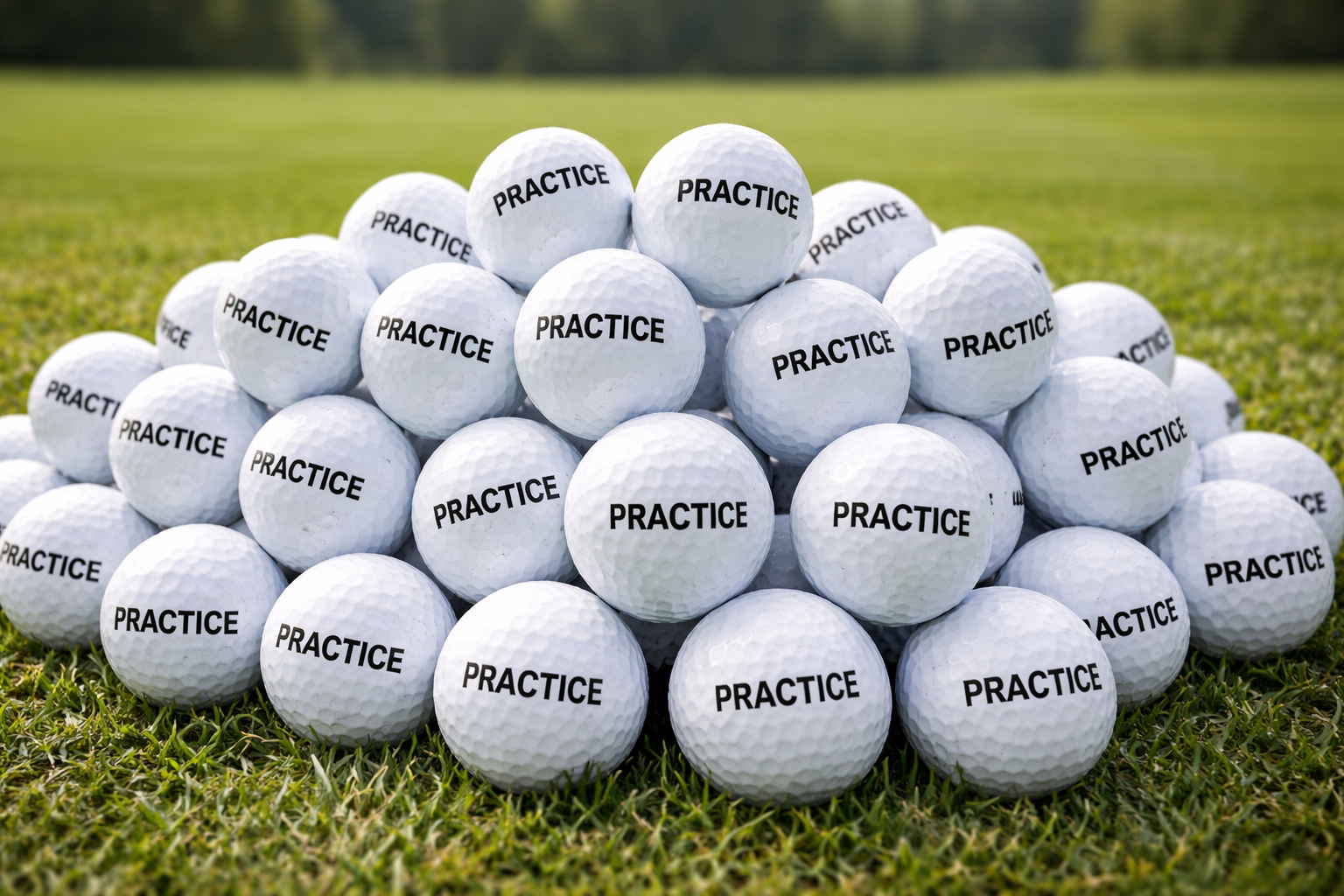
Golfers often treat Practice Balls like interchangeable hardware; they’re not. From apartment foam to radar-capture RCT balls, each family of practice balls answers a different training signal. This guide reframes practice-ball choice using Natural Language Processing (NLP) concepts: we’ll tokenize buyer goals (safety, realism, measurement), vectorize training outcomes, and offer a synonym-paraphrase block to help content teams syndicate or A/B test copy without losing search intent. The result: a publisher-ready, machine-friendly article that human coaches and ecommerce teams can use interchangeably.
Tokenized Buyer Signals
When you write product pages or drill descriptions, think in tokens. Below are high-value buyer tokens and how to match them:
- SAFETY_INDOOR apartment users, quiet, low damage, child/pet safe. Trigger: “quiet”, “soft”, “apartment”, “indoors”, “no bounce”.
- REALISM_SHORTGAME backyard players, wedge spin, check/stop, trajectory. Trigger: “spin”, “check”, “wedge”, “landing”.
- RADAR_CALIB simulator & coach users need an accurate spin/launch capture on radar. Trigger: “launch monitor”, “Trackman”, “radar capture”, “RCT”.
- COST_ECON mass practice, group sessions, kids. Trigger: “bulk”, “cheap”, “pack”.
- DURABILITY facility buyers, high-strike counts. Trigger: “durable”, “lasts”, “50+ hits”.
- NOISE_PROFILE homeowner concerned about sound. Trigger: “quiet”, “low-noise”.
Map every headline, CTA, and spec to 1–2 tokens. This helps SEO, PPC targeting, and internal filtering on e-commerce pages.
The 4 Practice-Ball Families
We’ll treat each family as a class in a classification model, with features, pros/cons, and suggested intents.
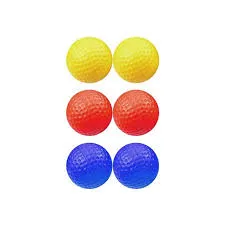
A. Foam practice balls class
Feature vector: low mass, large deformation on impact, hex or textured dimples, low spin coefficient.
Best for: indoor chipping drills, apartments, beginners, swing feel reps.
Pros: quiet, minimal damage risk, cheap, safe around glass.
Cons: unrealistic spin, little check on greens, poor launch monitor compatibility.
Use cases: living-room short-game ladders, hitting into the net against the wall, and indoor tempo training.
B. Hollow plastic / wiffle balls class
Feature vector: perforated or slotted shell, very low mass, irregular drag, making flight unpredictable.
Best for: backyard play, kids, mass sessions where cost matters more than feedback.
Pros: cheap in bulk, safe for neighborhoods, low carry.
Cons: almost zero true spin, inconsistent flight, and no serious training feedback.
Use cases: backyard outing, kids learning, group drills where loss is expected.
C. Limited-flight training balls class
Feature vector: near-full ball geometry, engineered materials to reduce carry but preserve spin and trajectory.
Best for: short-game realism in confined spaces, backyard wedges, and many launch monitors.
Pros: realistic shot shape and spin, safer distances, often register on optical launch monitors and some radar systems.
Cons: pricier than foam, not perfect for full-flight, may still require outdoor space for certain clubs.
Use cases: wedge landing control, shot-shape practice (draw/fade), yard-based trajectory drills.
D. RCT / Premium simulator balls class
Feature vector: premium core & cover tuned for radar reflectivity, engineered to register spin/launch indoors.
Best for: simulator rooms, coaches needing accurate indoor numbers, and players calibrating equipment.
Pros: accurate capture on many radar systems; near-full-ball feedback.
Cons: expensive; overkill for casual backyard practice; some systems still prefer native premium balls.
Use cases: GCQuad, Trackman, and radar-based launch monitors in enclosed environments.
Which Practice Ball for Which Training Goal Cheat Sheet
Define your training goal as a label and pick the family.
- Goal INDOOR_SAFE_SHORTGAME → pick FOAM_SAFE.
- Goal BACKYARD_SPIN_REALISM → pick LIMITED_FLIGHT_REALISM.
- Goal SIMULATOR_ACCURACY → pick RCT_RADAR.
- Goal MASS_DRILL_LOW_COST → pick HOLLOW_YARD.
Always ask: “What measurement matters?” If you need numbers (carry, spin), go RCT. If you need feel and shape but limited carry, choose limited-flight.
Publishable Testing Protocol Standardized & repeatable
A Reproducible Protocol is essential for credibility and SEO. Use the same test rig and report table for every ball review. This lets readers compare apples to apples.
Test Setup
- Player: single tester or small controlled panel; log age/handicap/swing speed.
- Clubs: driver, 7-iron, 56° wedge.
- Conditions: indoor net with radar (for RCT/premium); outdoor range for limited-flight and hollow; mat strikes for durability.
- Shots: 5-shot groups per club/per ball for flight metrics; 10 wedge shots for greenside check tests; 50 repeated mat strikes for durability.
Durability Test
- Process: hit 50 full-speed 7-iron shots from turf mat.
- Inspect: seam splits, permanent deformation, and cracking.
- Report: percent of balls with visible structural damage.
Flight Accuracy / Launch Monitor
- Equipment: Trackman, GCQuad, or Rapsodo (use the same device across tests).
- For RCT/premium: test indoors and report registration success (Y/N).
- For limited-flight: test outside in calm wind or an indoor optical system.
- Metrics: avg carry, avg launch angle, avg spin; report percent difference vs a control premium ball.
Spin & Greenside Feedback
- Procedure: hit 10 wedge shots to a practice green from 20–40 yards; score check/stop 1–5 (1=no check, 5=tour-like bite).
- Report: mean score and notable feel observations.
Noise & Safety
- Strike balls into target surfaces (net, garage door) and rate noise 1–5.
Launch-Monitor Compatibility
- Test registration on common systems, noting any failures or anomalies.
Field Notes
- Include human observations (feel, oddities, packing quality).
Publication Format
- Use an HTML table: Ball model | Durability % | Avg carry (7I) | Avg spin (56°) | Launch monitor registration (Y/N) | Recommended use.
This protocol is repeatable and easily parsed by both readers and search engines.
Product Mini-Reviews
Note: Prices & SKUs change. Add affiliate links and local SKUs as needed.
Best for realistic backyard practice
What it is: A limited-flight engineered ball built to spin and curve like a full ball but limit carry (often ~40 yards on full swings).
Why we like it: High spin fidelity and consistent feel; recreates wedge checks and shape practice safely.
Use case: Short-game landing control, trajectory work, draw/fade practice.
Intent tags: REALISM_SHORTGAME, DURABILITY.
Best limited-flight value pack
What it is: Proprietary limited-flight ball designed for consistent spin and trajectory at reduced distances.
Why we like it: Good registration on many launch monitors for mid-to-wedge shots; consistent feel.
Use case: Backyard wedge work and smaller-space launch monitor practice.
Intent tags: REALISM_SHORTGAME, RADAR_CALIB (partial).
Best indoor foam
What it is: Durable soft-flite foam or soft polymer practice balls with hex-dimple surface textures to approximate flight.
Use case: Indoor chipping, short ladders, beginner swing confidence.
Intent tags: SAFETY_INDOOR, NOISE_PROFILE.
Best for launch monitors
What it is: Premium Pro V1 variant engineered for radar capture and indoor ball registration.
Why we like it: Delivers more consistent registration on radar systems that struggle with standard ball reflections.
Use case: Sim rooms, coach calibration sessions.
Intent tags: RADAR_CALIB, DURABILITY.
Best cheap backyard pack
What it is: Lightweight, slotted/plastic balls sold in bulk.
Use case: Kids, casual backyard practice, mass drills.
Intent tags: COST_ECON, MASS_DRILL.
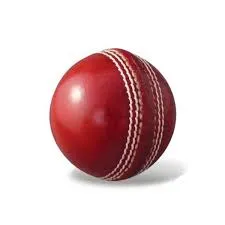
Comparison Table
Below is an example table you can drop into CMS; replace sample numbers with actual test data.
| Feature | Foam Practice Balls |
| Ball Type | Foam practice ball |
| Material | Soft foam/polymer foam |
| Durability (50 hits) | ~60% (shows wear with repeated use) |
| Avg Carry (7-Iron) | Very low (short indoor flight) |
| Spin Feedback (56° wedge) | Very low (minimal check or bite) |
| Launch Monitor Compatibility | No (does not register accurately) |
| Noise Level | Very quiet |
| Safety Level | Extremely safe for indoor use |
| Best Use Case | Apartments, indoor chipping, beginners |
| Not Recommended For | Launch monitors, distance control training |
7 Drills That Make Practice Balls Useful
Each drill below includes an objective, ball family, and measurable target.
1. Landing Band
- Objective: land wedges inside a 10-ft band.
- Ball: LIMITED_FLIGHT_REALISM (BirdieBall / almostGOLF).
- Measure: % inside band per 10 shots. Targets: 6/10 → 8/10.
2. Trajectory Ladder
- Objective: control trajectory heights with 7-iron, 5-iron, 3-iron.
Ball: FOAM_SAFE (indoors) or LIMITED_FLIGHT_REALISM (outdoors). - Measure: score each shot 1–5 vs ladder height.
3. Launch Monitor Calibration
- Objective: capture 5-shot averages and compare to known values.
- Ball: RCT_RADAR (Pro V1 RCT).
- Measure: Average carry, spin, launch angle vs baseline.
4. Short-Game Speed Control
- Objective: distance control from 10–40 yards.
- Ball: FOAM_SAFE for feel; LIMITED_FLIGHT_REALISM for realistic landings.
- Measure: mean absolute deviation from target distance.
5. Curve / Shot-Shape Practice
- Objective: practice consistent draws & fades.
- Ball: LIMITED_FLIGHT_REALISM.
- Measure: percentage of shots that match the intended shape.
6. Safe Full-Swing Reps
- Objective: repetitive swing work at reduced carry for tempo and impact.
- Ball: HOLLOW_YARD or LIMITED_FLIGHT_REALISM (based on space).
- Measure: consistency in ball speed and smash factor (if available).
7. Durability Sample Test
- Objective: validate pack quality before bulk buy.
- Ball: sample from under-consideration pack.
- Measure: % damaged after 30–50 hits.
Common Mistakes & Myths
Myth: “Range balls are fine for measuring distance.”
Reality: Range balls often fly differently, shorter, or with less spin. Don’t use them for calibration unless you’ve measured the variance.
Mistake: Using foam/hollow balls for launch monitor calibration.
Reality: They often won’t register correct spin/launch, producing misleading data.
Mistake: Buying only by price.
Reality: Cheap packs may save money, but cost training feedback.
Pros & Cons
Foam practice balls Pros: safe, quiet, cheap. Cons: low realism, minimal spin feedback.
Hollow / wiffle balls Pros: ultra-cheap, safe. Cons: very low realism.
Limited-flight Pros: excellent shot-shape realism at reduced distance. Cons: pricier than foam.
RCT / premium Pros: accurate capture on radar. Cons: expensive; unnecessary for casual users.
Maintenance & Care Tips
- Store dry and cool: foam and Reconstructed Materials can deform in heat.
- Rotate packs: first-in, first-used to avoid batch wear.
- Inspect periodically: damaged balls give different feedback.
- Simulator screens: Use softer, limited-flight, or foam to protect the fabric.
Affiliate Presentation Tips
- Use a short “why this ball” bullet list under each hero pick.
- Add a small spec table: weight, material, typical carry vs full ball.
- Offer a sample pack CTA: “Buy 3 sample balls” to reduce friction.
- Embed 30–60s demo videos: wedge check, 7-iron flight, RCT registration.
- Use synonyms from the block below to create A/B test copy variations that preserve intent.
BirdieBall vs almostGOLF vs Foam
- Realism: BirdieBall ≈ almostGOLF >> foam.
- Durability: BirdieBall & almostGOLF hold up better; foam chips faster on repeated full-speed hits.
- Launch-monitor use: almostGOLF often registers well; BirdieBall registers on many optical systems; foam usually fails.
- Recommendation: For backyard short-game, prefer BirdieBall; for a simulator that wants registration on many systems, try almostGOLF; for indoor apartment drills, choose foam.
FAQs
A: Generally, no practice balls are for practice. Using them during a formal round is not recommended unless they are your normal ball and you follow the Rules of Golf
A: For radar capture and accurate indoor data, Titleist Pro V1 RCT and other RCT-style balls are best because they’re engineered to register on radar systems.
A: No foam balls are for short shots; hitting a driver at full speed with foam is unsafe and gives poor feedback.
A: It varies by model and club. Tests often show range balls fly noticeably shorter. Always calibrate or compare against a known premium ball.
A: Limited-flight balls generally reduce risk, but check your screen manufacturer’s recommendations; soft limited-flight or foam is safest.
Final Verdict
If your priority is safety and convenience for indoor or Apartment Practice, buy foam. If you want realistic short-game feedback in a backyard or small field, buy limited-flight balls like BirdieBall or almostGOLF, which deliver shot-shape and spin feedback at safe distances. Your priority is accurate indoor numbers for a launch monitor and coaching fidelity, buy RCT / radar capture premium balls (Titleist Pro V1 RCT or manufacturer-recommended models). Don’t assume range balls equal course balls; they often fly differently, so calibrate your numbers or use RCT/premium balls for any launch-monitor work.