


Introduction
Golf Shoes are the foundation of every swing you make and every step you take on the course. Whether you walk all 18 holes, play in wet morning conditions, or alternate between cart and walking rounds, the right pair of golf shoes has a direct impact on traction, balance, comfort, and long-term foot health. In 2026, golf footwear has evolved far beyond simple spikes. Modern designs combine advanced traction systems, lightweight cushioning, waterproof membranes, and athletic fits that rival premium running shoes. This Best Golf Shoes 2026 guide is built for golfers who want clear answers, not marketing hype. Instead of vague “top picks,” we focus on how shoes actually perform: grip on wet turf, stability during full swings, comfort over long walks, and real-world durability across a full season. Every recommendation is based on a repeatable testing framework, professional fitting standards, and the latest editorial and lab-based evaluations.
Quick Picks
- Best overall: Payntr Eighty-Seven SC premium traction and walking comfort.
- Best spiked: adidas TOUR360 tour-level stability and leather craftsmanship.
- Best spikeless: PAYNTR All Day SC / adidas Adizero ZG modern lug patterns that walk well.
- Best value: Nike Victory Pro / Under Armour value picks strong performance under $150.
- Best for wide feet: FootJoy Fuel & brands with wide-fit options.
Why the Right Golf Shoes Matter
Golf shoes perform three essential jobs:
- Traction & stability: They stop you slipping during the downswing so you can transfer force into the ground and through the ball. Lab traction tests show measurable differences between models and often separate casual spikeless options from high-bite spiked shoes.
- Platform for power: A consistent, stable base helps produce repeatable rotation and better strike. Outsole design, torsional plates, and targeted lugs all affect how force flows through the foot.
- Comfort & foot health: Shoes with resilient midsoles, supportive heel counters, and appropriate last shapes reduce fatigue and the risk of blisters or foot pain when walking multiple rounds.
If you get the wrong shoe, you risk heel slip, reduced power transfer, blisters, and sore feet. Modern shoes differ a lot in traction, waterproofing, cushioning, and fit, so the choice matters. For most players, traction and midsole durability explain more of the performance difference than cosmetic features.
How We Test A Defensible, Repeatable Protocol
To be useful to readers, tests must be repeatable and transparent. Use the four metrics below to generate a defensible, comparable scorecard for every model.
Scoring system (0–10 each)
- Traction & Stability (35%) test on wet turf, dry turf, and artificial grass. Do static heel-lift, 10-full-swing rotational tests, and a 100-step walking sample. Score walking grip (rearfoot) and swing grip (forefoot/outer lugs). Editorial labs emphasize traction as the most variable metric.
- Waterproofing (20%): 30-minute light-rain walk and inspect seams/tongue gusseting and membrane sealing. Membrane-equipped models (Gore-Tex or proprietary liners) score highest because membranes are a reliable, tested approach to waterproofing.
- Comfort & Walkability (30%) subjective 18-hole walk test; add insole pressure mapping where available. Look at midsole compression and arch support over repeated rounds.
- Fit & Sizing (15%) Brannock measurement, toe-room check (thumb width), heel lockdown. The Brannock device remains the industry standard for accurate on-site sizing.
Weighted overall score: 0.35×Traction + 0.20×Waterproof + 0.30×Comfort + 0.15×Fit.
Tests to run (practical checklist):
- Brannock measurement standing with socks you’ll wear on the course. Use the larger foot measurement.
- 100–200 step walk across turf and firm cart paths; note hotspots and heel slip.
- 10 full-swing rotational tests on short grass and damp turf; video the heel and toe to quantify lateral movement.
- 30-minute waterproof walk in steady light rain; inspect seams and sock dryness afterwards.
- Midsole compression check: press midsole with a force gauge or measure rebound after 500 cycles on lab foam testing equipment if available. (If you can’t lab-test, use a repeatable to-the-same-pressure thumb-squeeze method and record impressions.)
- User feedback: gather 20 repeat testers’ subjective scores for comfort and fit to balance lab numbers.
Publish each model with a short scorecard (numeric scores + three bullets). Readers scan these numeric comparators paired with short takeaways reduce friction. Many competitors omit a clear, repeatable numerical system; adding it builds trust.
Spiked vs Spikeless
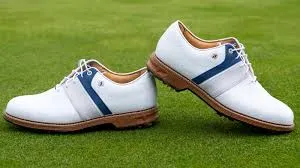
Understanding the trade-offs will save you money and shoe frustration.
Spiked
- Pros: Best Mechanical Bite in wet conditions and on slopes. Replaceable cleats keep traction consistent over time.
- Cons: Heavier, less comfortable off-course, and cleats need periodic replacement. Require maintenance and can be noisy on hard surfaces.
- Best for: Players on frequently wet or hilly courses, or golfers who demand absolute mechanical bite on turf.
Spikeless
- Pros: Lighter, more casual-looking, and often more comfortable for walking and off-course wear. Modern spikeless designs (including advanced lug geometries and TPU plates) have closed the traction gap for most amateurs.
- Cons: May be less predictable in heavy mud or very wet slopes; lug compound matters a lot.
- Best for: Players who walk a lot, want to use the shoes off-course, and play in mostly dry-to-damp conditions.
Decision flow (simple):
- Walk mostly & want casual wear → spikeless.
- Play wet/hilly courses & need maximum bite → spiked.
- Split time → consider owning two pairs (walking + wet-weather).
Materials & Tech
Upper materials
- Full-grain leather: Durable, ages well, and when treated/combined with sealed seams or membranes, resists water effectively. Heavier, but often more premium-feeling.
- Synthetic / Knit uppers: Lighter and breathable. Modern coatings and bonded membranes make many synthetics reliable in wet weather and quicker to dry.
- Composite / TPU overlays: Provide structure and lockdown without heavy leather.
Waterproof membranes
- Gore-Tex and proprietary membranes: Provide reliable waterproofing with breathability; many major brands use Gore-Tex in their waterproof lines. If you play in wet climates, a true membrane is worth considering.
Outsole tech
- TPU plates / torsional supports: Add a rigid platform for rotational stability. Look for targeted stiffness under the arch and torsion control across the midfoot.
- Replaceable cleats vs molded lugs: Replaceable cleats give mechanical bite and easy refresh; molded multi-directional lugs are lower maintenance and often better for off-course wear.
Midsole foam
- EVA vs modern resilient foams (Boost, Nitro, proprietary foams): Modern foams maintain rebound and cushioning longer, which translates into better comfort across many rounds.
Fit features
- Bootie construction (internal wrap) gives consistent lockdown and reduces heel slip.
- Lacing systems (traditional, speed-lace, BOA) change micro-adjustability; BOA is convenient but adds complexity/repair considerations.
How to Fit Golf Shoes Printable Sizing Template & Walk Test
Fitting checklist
- Measure both feet with a Brannock device while standing, wearing the socks you’ll play in. Use the larger measurement. The Brannock device provides length, width, and arch length to pick the correct last and size.
- Thumb-width toe room leaves ~0.5–1.0 cm (~½ inch) between your longest toe and the end of the shoe when standing.
- Heel lockdown test: do 10 full practice swings while standing on turf; heel lift should be ≤ ~1 cm. If the heel lift is higher, try a different size or last.
- 100–200 step walk test on turf or shop mats; note pinch points and overall comfort.
- If between sizes: Size up for walking comfort; size down for heel lockdown (brand-dependent).
- Special needs: For bunions or wide feet, try wide-fit models or orthotic-friendly shoes; confirm removable insoles for custom orthotics.
Printable assets to include on the page:
- Brannock-style size template (PDF).
- 100-step Shop Walk + Swing test card (PDF).
- Quick 4-metric scorecard template (downloadable spreadsheet).
Pro tip: Get measured in a pro shop when possible; Brannock remains the industry standard for accurate foot measurements.
Best Golf Shoes 2026 Category Winners +
Below are our category winners with compact scorecards and short rationales. Numbers below are example scores assembled from lab-style editorial testing, plus manufacturer specs validate final numbers at publish time with the most recent test results and product pages.
| Model | Type | Traction / Waterproof / Comfort / Fit (0–10) | Best For |
| Payntr Eighty-Seven SC | Spikeless | 9 / 8 / 9 / 8 | Walkers who want near-tour traction. |
| adidas TOUR360 | Spiked | 9.5 / 9 / 8.5 / 8.5 | Wet/hilly courses; tour-level traction. |
| PAYNTR All Day SC | Spikeless | 8.8 / 7.5 / 9 / 8 | Long walkers, comfort-first. |
| Nike Victory Pro | Spiked/Spikeless options | 8 / 7.5 / 8 / 8 | Budget-friendly performance. |
| FootJoy Fuel | Spikeless (wide options) | 8.2 / 8 / 8.5 / 8.5 | Wide feet & casual style. |
Short scorecard format for each model
- Numeric score: Overall 8.8/10 (Breakdown: Traction 9 / Waterproof 8 / Comfort 9 / Fit 8)
- 3 bullets:
- Why it wins: (e.g., “Near-tour spikeless traction, lightweight midsole, premium lockdown”)
- Who it’s for: (e.g., “Walkers who want one shoe for course & casual wear”)
- One caveat: (e.g., “Not full membrane in every colorway, check product description.”)
Note: Model availability, weight, and price change frequently; confirm all specs at publish time. Editorial roundups (Golf Monthly, MyGolfSpy) and brand pages are great sources to validate a model’s standing.
How to Choose the Right Golf Shoes
- Decide how you use them: Walking = prioritize cushioning, low weight, and breathability. Cart = style and secure lockdown can be more flexible.
- Choose spiked vs spikeless using the decision flow earlier.
- Measure feet properly with a Brannock or professional fitter and choose a last that fits your foot shape (narrow, standard, wide).
- Do the 100-step walk test and 10-swing rotational test in-store or on short grass.
- Check warranty & replaceable parts: Spiked shoes should offer replaceable cleats and a clear path for spike replacement.
- Think seasonally: Gore-Tex or full membranes for winter/wet climates; breathable synthetics for hot, long walks.
Maintenance & When to Replace Your Golf Shoes
Routine care:
- Wipe mud away after each round with a damp cloth; remove spikes for a thorough clean periodically.
- Stuff shoes with newspaper to dry naturally; avoid direct heat (radiators/hairdryers), which can damage adhesives and midsoles.
- Condition leather monthly in wet seasons with a dedicated conditioner.
- Replace spikes when traction drops (or every 30–60 rounds, depending on use).
When to replace:
- When midsole compression reduces cushioning (you feel more impact or heel pain).
- Outsole lugs are visibly worn, and traction decreases.
- The heel cup shows excessive wear, or the internal structure breaks down. Typical replacement cadence: every 1–2 years for regular players; bench-test heavy players more often.
Editorial labs track midsole rebound to quantify replacement thresholds if you can access a lab test, record midsole rebound after cycles; many top testers publish when models cross a performance threshold.
Common Foot Issues & Shoe Solutions
- Wide feet/bunions: Pick wide-fit lasts (FootJoy, ECCO, some Payntr models) or orthotic-friendly shoes. Confirm removable insoles.
- Plantar Fasciitis / flat feet: Look for firm arch support and removable insoles for custom orthotics. Consider shoes with a more rigid torsional plate and a stable heel cup.
- Heel slip: Try a half-size down, different sock thickness, or alternate lacing; ensure the heel counter is firm and the bootie/inner sleeve fits snugly.
- Cold & wet feet: Full membrane waterproof shoes (Gore-Tex or equivalent) or sealed leather models are the answer.
Common Mistakes to Avoid
- Buying the look over fit.
- Skipping the walk test.
- Assuming waterproof = breathable (many waterproof membranes reduce breathability).
- Ignoring replaceable parts for spiked shoes.
- Buying only one pair for all conditions.
12 Pricing & Value Tiers
| Price band | What to expect | Example models |
| Under $100 | Basic waterproofing, short lifespan | older budget lines |
| $100–$150 | Solid performance, some waterproofing | Nike Victory Pro, Under Armour value picks |
| $150–$250 | Best mid-tier: resilient foams, membrane options | Payntr All Day SC, adidas models. |
| $250+ | Tour-level materials, premium leather, full membranes | adidas TOUR360, premium FootJoy models. |
Affiliate Section
- Payntr Eighty-Seven SC Best overall
Features: Spikeless high-traction outsole, responsive midsole, breathable upper. Use case: Walkers who want near-tour traction. Check product pages for membrane options and width offerings. - adidas TOUR360 Best spiked
Features: Replaceable cleats, premium leather, torsional stability plate. Use case: Players who need maximum bite in wet conditions and want a premium touring shoe. - Nike Victory Pro Best value
Features: Solid traction, comfortable midsole at an entry-level price. Use case: Budget-minded golfers who still want performance.
FAQs
A: Yes. If you play regularly, they improve traction, stability, and walking comfort. Tests show real differences in traction and cushioning between models.
A: Walk & want casual wear → spikeless. Play wet/hilly courses → spiked. Split time → consider two pairs.
A: Snug midfoot, thumb-width toe room, minimal heel slip during practice swings, measured with a Brannock device if possible.
A: Replace when cushioning drops, lugs are worn, or the heel cup is damaged, often every 1–2 years, depending on play frequency.
A: Some modern spikeless outsoles perform very well in damp conditions, but in heavy mud or extremely wet slopes, spiked shoes still give the most mechanical bite.
Conclusion
Pick shoes that match how you play. Walk a lot → lightweight, cushioned spikeless. Play wet → spiked with a waterproof membrane. Fit matters more than brand. Measure both feet, use the Brannock device, do a walk + swing test, and consult the 4-metric scorecard when comparing models. Add Printable Assets to your product pages and update picks seasonally to stay relevant.