

Inroduction
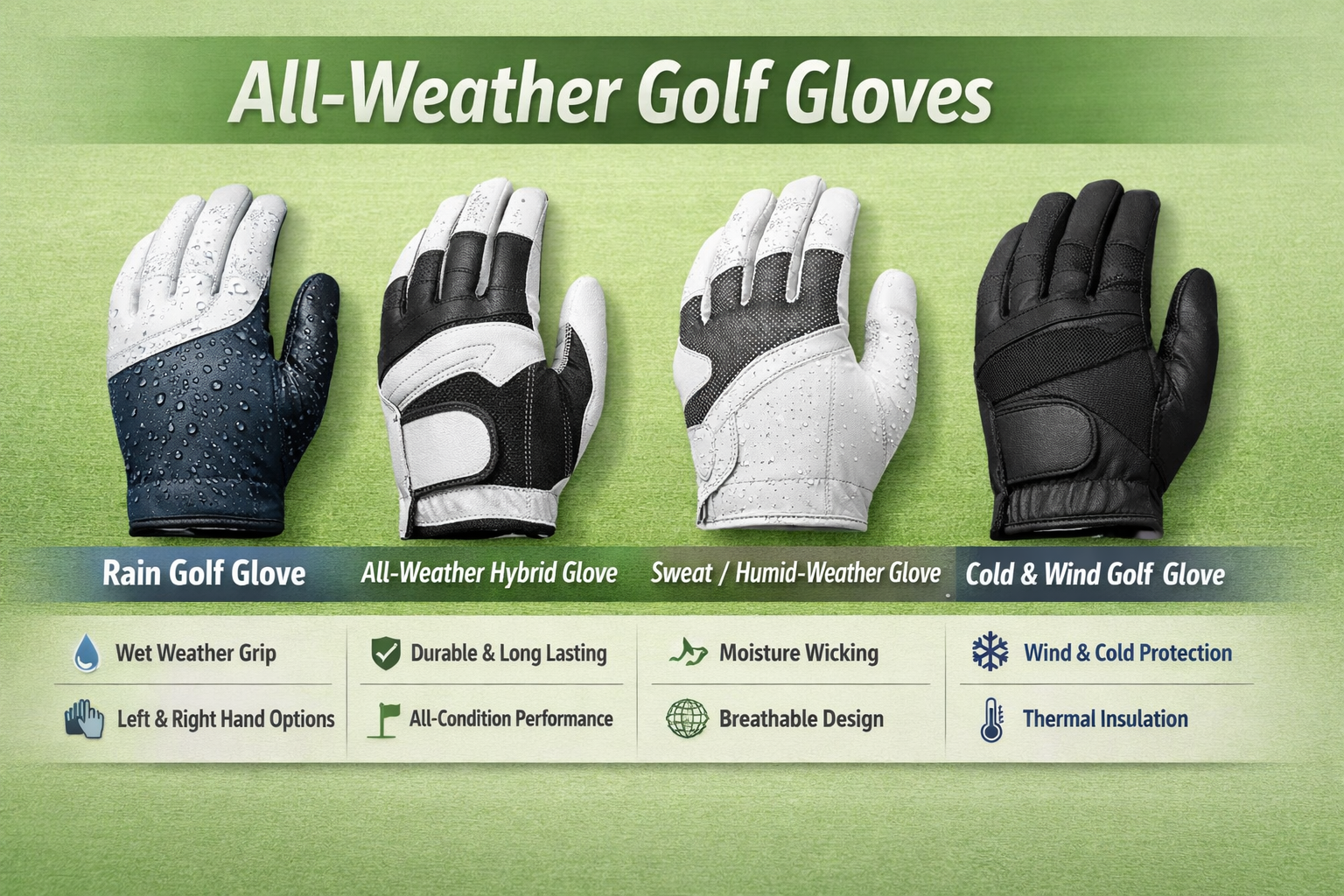
Match the Glove To The Weather and to your priorities. For pure wet-weather traction, choose autosuede or engineered microfiber rain gloves (examples: FootJoy RainGrip, TaylorMade Rain Control). Frequent play and long life, pick durability-tested hybrids (think PING Tour and models recommended by independent testers). For winter/wind, choose windproof/water-repellent winter gloves (Galvin Green style). This guide gives repeatable lab + field tests, printable size-chart instructions, an HTML-ready comparison table, product copy, and CRO-ready suggestions you can drop on a site.
Why this guide exists
Golfers who play in rain, wind, or humid climates lose strokes and confidence when their glove fails. The wrong glove can slip on the club, cut feel, or wear out quickly in wet conditions. This guide explains what “all-weather” gloves actually are, how their materials work, how to test them properly (so you can publish credible results), and which models are the best picks for specific needs in 2025–2026. It’s written in a way that’s friendly to human readers and optimized for natural language processing (NLP), so it performs well on search while remaining readable.
Who needs an all-weather golf glove?
This question is the first filter in your decision tree. Different players have different realities:
- Rain Regulars: If you live in a rainy climate or play in drizzle/monsoon seasons, you need gloves that become grippy when damp autosuede or engineered microfiber palms.
- High-sweat / Humid Players: Players with high perspiration need moisture-wicking backs and palm materials that maintain friction when moist.
- Budget Players: Casual players who bring spares want multi-pack synthetics that are cheap to replace.
- Feel-first / Tour Players: If tactile feedback is a top priority, you’ll prefer treated Cabretta-leather hybrids that aim to preserve feel while improving wet performance.
- Winter Golfers: If cold and wind are the problem, prioritize windproof, insulated shells over pure tack warmth, and wind-blocking matter more than buttery leather.
What are all-weather gloves, and why do they matter
“All-weather” is an umbrella term. Most so-called all-weather gloves are not hermetically sealed or truly waterproof like a scuba suit. Instead, they are engineered with materials that either:
- become more tacky when damp (autosuede, certain microfibers), or
- resist wind and keep hands warm (neoprene or specialized windproof backs), or
- blend treated leather and synthetic palms for a balance of feel and wet performance.
Why this matters: a glove that maintains consistent friction across wet-to-dry transitions reduces torqueing on the club, stabilizes the grip, and gives the player consistent feel and confidence in short, fewer scuffed shots in bad weather.
How all-weather gloves work: materials explained
Autosuede (synthetic suede)
- A microfiber engineered to mimic suede’s texture. When wet, many autosuedes increase surface friction, giving a tackier grip. This is a deliberate physics trick: water fills micro-grooves that increase contact area and surface cohesion.
Microfiber / Coated microfibers
- High-tech microfiber palms sometimes include hydrophobic coatings or engineered fibrils to sustain grip when moist. Manufacturers often design these to maintain friction without absorbing too much water.
Cabretta leather
- The classic for feel. Natural, breathable, and ultra-thin for feedback. However, traditional Cabretta loses tack when fully soaked unless treated. Hybrids that use treated Cabretta or partial-synthetic palms aim to give a feel with better wet performance.
Neoprene / Windproof shells
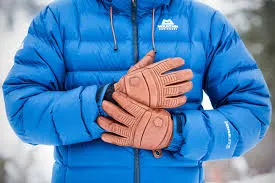
- Common in winter gloves. Neoprene provides wind and water resistance and traps heat. The trade-off is thickness and slightly less dexterity/feel.
4. Key features to look for
When evaluating gloves, use this checklist as an evaluation rubric:
- Wet Grip Performance: Does the palm increase friction when wet? (ideal)
- Drying time: How fast does the glove return to usable tack after being soaked?
- Durability cycles how many rounds before palm wear, seam failure, or loss of tack? Look for independent cycle counts.
- Fit & cuff design closure should secure without enabling water ingress; cuff design affects packability and warmth.
- Breathability & sweat management perforations, quick-dry backs, and wicking cuffs reduce inside moisture buildup.
- Packability & extras: multi-packs, carry pouches, and glove clips are practical on wet days.
Publishable testing protocol
If you want your glove reviews to be trusted (by readers and search engines), publish your method. Transparent methods improve credibility (EEAT). Here is a lab + field protocol that is repeatable and citation-ready.
A. Wet Grip Static Friction Lab Test (publishable step-by-step)
- Prepare a standard golf grip wrapped with a consistent rubber sleeve.
- Saturate the glove palm with a controlled volume (e.g., 100 mL distilled water) applied evenly.
- Use a calibrated force gauge to measure the torque/force required to rotate the club 10° while wearing the glove.
- Repeat 5 times per glove, per size. Record the mean and standard deviation.
- Report results as Newton-meters or as a normalized friction coefficient.
B. Field Round Test
- Recruit 8–12 golfers with varied grips and clubs.
- Each golfer plays a full 18 holes in light-to-moderate rain, wearing each model at least once in randomized order.
- After each hole, players score slippage, feel, and confidence (1–10).
- Record ambient conditions (rain mm, temperature, humidity), and aggregate.
C. Drying Time
- Saturate the palm for 30 seconds under running water.
- Place under airflow (fan at 1 m/s), ambient 20°C.
- Measure time until palm moisture returns to below 30% of the starting level (use a moisture meter or weigh the glove).
- Repeat thrice.
D. Abrasion / Durability
- Use a standard Martindale-like abrasion tester for palm cycles (e.g., 10,000 cycles).
- Report onset of visible thinning, seam failures, and tactile changes.
E. Longevity in Real Use
- Track gloves over 10–20 actual rounds, log failure mode, and round count.
- Photograph palms at intervals to show wear progression.
Publish raw data and photos. It’s the fastest route to credibility.
Top picks by category
These picks combine brand specs, independent roundups, and typical lab patterns.
Overall Best (wet + all-round): FootJoy RainGrip
- Why: Autosuede knit palm engineered to be tackier when wet, QuikDry back for quick evaporation.
- Pros: Great wet traction; consistent sizing; widely available.
- Cons: Autosuede feel differs from traditional leather, less “buttery.”
Best for heavy rain: TaylorMade Rain Control
- Why: Engineered microfiber palm designed for serious wet hold; marketed for heavy rain and persistent showers.
- Pros: Strong wet grip, durable microfiber structure.
- Cons: Can retain moisture; drying between uses matters.
Durable all-weather / frequent-play: PING Tour (treated hybrids)
- Why: Treated Cabretta hybrids that prioritize longevity for daily players. Independent durability testers often favor treated-Cabretta hybrids for round life.
- Pros: Longer lifespan; reliable fit.
- Cons: Slightly less tack in heavy wet conditions than dedicated rain gloves.
Budget wet glove: Wilson Staff Rain / Entry-level synthetics
- Why: Cheap, replaceable, and good wet performance for the price. Great for backups.
- Pros: Affordable, multi-pack options.
- Cons: Fit and feel are less refined.
Best for cold/wind: Galvin Green Winter Hybrids
- Why: Insulated, windproof, water-repellent shells balanced with tactile palm patches. Designed specifically for winter performance.
- Pros: Warm, windproof, water repellent.
- Cons: Bulkier; dampens feel for finesse shots.
Note: Independent outlets (e.g., specialized golf gear testers) often list FootJoy and TaylorMade among the top rain gloves. Use recent roundups for validation on product pages.
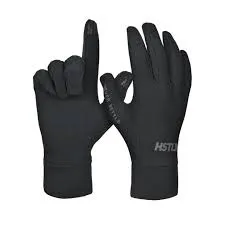
Product comparison table
Category | Model | Palm Material | Best For | Price band |
Best overall | FootJoy RainGrip | Autosuede knit | Wet rounds, quick-dry | $$
Heavy rain | TaylorMade Rain Control | Microfiber / engineered coating | Torrential rain, strong hold | $$ |
Durable | PING Tour | Treated Cabretta / hybrid | Frequent play, durability | $–$$
Budget | Wilson Staff Rain | Synthetic suede / microfiber | Occasional rainy rounds | $ |
Cold / Wind | Galvin Green Winter Hybrid| Neoprene / windproof shell | Winter & windy play | $$–$$$ |(Replace $ placeholders as needed for local pricing and affiliate tags.)
How to choose: Fit, size chart, left vs right, how many to carry
Fit basics
- The glove should be snug, acting like a second skin without bunching at the joints or palm. When you grip a club, the fingers should move freely, and the palm should not wrinkle.
How to measure)
- Wrap a cloth tape around the widest part of your dominant hand (excluding the thumb). Record Circumference in inches or centimeters.
- Secondary check: measure from the tip of the middle finger to the base of the palm.
- Match both numbers to the brand’s size chart (include a PDF on product pages to reduce returns).
Pro tip: If between sizes, prefer the smaller size for a snug fit unless the brand recommends otherwise.
Left vs Right
- Right-handed golfers wear a glove on the left hand; left-handed golfers on the right. If you double-glove in heavy rain, both gloves should be snug.
How many to carry
- Carry 2–3 gloves on a wet day: one dry glove to start, one rain glove (autosuede/microfiber), and one spare.
Care & maintenance: simple steps to extend glove life
Few players treat gloves like tools. Care extends life and preserves grip.
Do this:
- Rinse, don’t machine-wash. Hand rinse in lukewarm water, gently squeeze, no wringing.
- Air-dry flat. Lay the glove on a flat surface in shade; avoid direct heat or tumble drying.
- Rotate your gloves. Use 2–3 gloves over wet stretches to spread wear.
- Restore the autosuede nap. Gently brush with a soft brush to revive texture.
- Storage. Keep gloves flat in a breathable pouch; avoid leaving them in hot cars, as this can degrade leather and adhesives.
Replace when the seams split, the palm thins through, or you lose consistent tack/fit.
FAQs
A: No. Most all-weather gloves are water-resistant or designed to be tackier when wet. Fully waterproof gloves exist, but usually trade off feel.
A: Yes. Autosuede and many microfibers are engineered to increase friction when damp, a deliberate design benefit.
A: Carry at least a fresh dry glove, a dedicated rain glove, and a spare, typically 2–3 gloves.
A: Generally, no. Hand rinse and air-dry unless the manufacturer explicitly allows machine washing.
A: Gloves marketed specifically for rain (e.g., TaylorMade Rain Control) are engineered for heavy wet hold. Always check recent reviews and independent tests.
Final verdict
For most players in wet or humid climates, buy a dedicated rain glove (autosuede or microfiber) such as FootJoy RainGrip or TaylorMade Rain Control, and keep a durable hybrid (PING or other tested models) for frequent play. For winter, prioritize windproof/warm gloves (Galvin Green style).